
2026-10-11 ·
Repair vs. Replace: How to Decide for a Leaking Roof
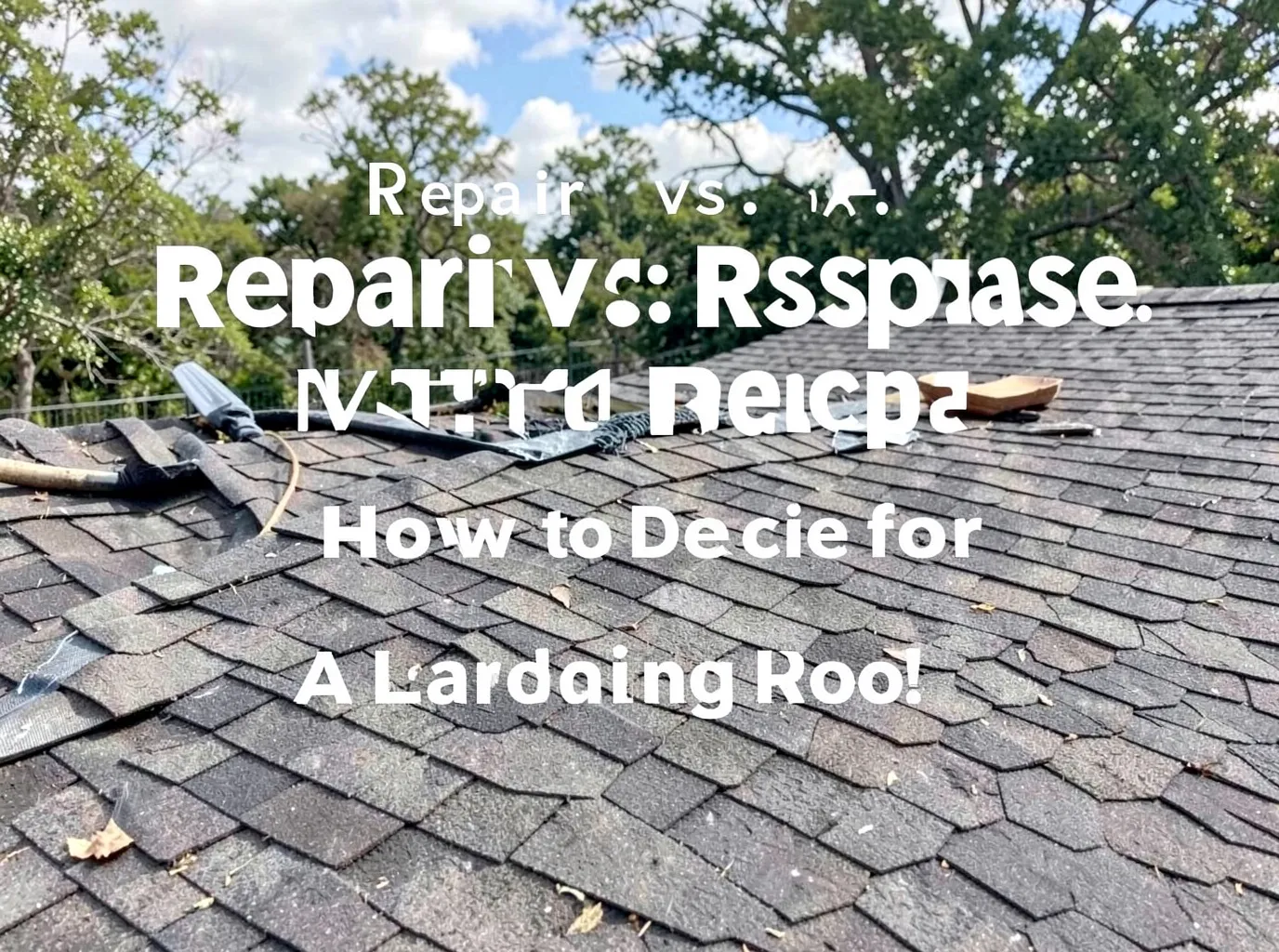
In Port Orange, a leaking roof usually warrants repair when damage stays limited to one section and the roof is under 15 years old, while full replacement becomes the better choice once leaks appear in multiple areas or the roof exceeds 20 years. This decision starts with a thorough inspection to map water entry points around neighborhoods like Allandale and Spruce Creek.
Assessing Leak Extent and Roof Age
Homeowners in Cypress Head and Twin Lakes often see leaks start at flashing around chimneys or skylights after heavy summer rains. A single small leak in a 10-year-old shingle roof on a Port Orange Hills property can typically be fixed by replacing damaged shingles and resealing. When leaks trace back to widespread granule loss or sagging decking in older homes near the Halifax River, the structure may need full replacement. Port Orange's humid subtropical climate speeds up shingle breakdown through constant moisture, so roofs here rarely last the full 30 years common in drier regions. Checking the underside in the attic reveals whether water has reached multiple rafters, a sign that patch repairs will keep failing. Local roofers base decisions on these visible patterns rather than guesswork.
Cost Factors in Volusia County
Repair costs for a localized leak in South Port Orange or Riverwalk usually range from $400–$1,500 depending on access and materials. Replacement for an average 1,800-square-foot home runs $6,000–$11,000 when the entire deck needs attention after years of exposure. In Dunlawton and Sugar Mill, where many homes date to the 1980s and 1990s, owners compare these numbers against the remaining life of the existing roof. A repair that buys three to five more years makes sense only if the rest of the roof shows uniform wear. Larger leaks near the Port Orange Causeway that involve rotted sheathing push costs higher and tilt the scale toward replacement. Homeowners can review current pricing details in the Roof Leak Repair Cost in Port Orange (2026 Price Guide) to run their own numbers.
Local Weather and Terrain Impacts
Port Orange summers bring frequent thunderstorms that drive water under lifted shingles on homes in Spruce Creek and along the Port Orange Causeway. Mild winters reduce freeze-thaw cycles but allow constant humidity to promote algae growth that holds moisture against the surface. Terrain near the Halifax River creates higher wind exposure during storms, loosening ridge caps faster than in inland spots like DeLand. These conditions mean a repair in Allandale may hold for several seasons while the same fix in a more exposed Twin Lakes home fails sooner. Checking gutters and downspouts for debris buildup prevents backup that worsens leaks at the eaves. The Emergency Roof Leak Repair (24/7) page outlines steps when sudden weather hits.
When Replacement Outweighs Repair
Replacement becomes necessary once leaks appear across separate slopes or the roof deck shows widespread softening in homes near Cypress Head Golf Club. In these cases, continuing repairs adds up faster than installing a new system rated for another 20–25 years. Older stock in Volusia County neighborhoods like Port Orange Hills often reaches this point after 18–22 years because of repeated storm exposure and humidity. A new roof also allows underlayment upgrades that better handle the area's heavy summer downpours. Owners weighing this choice can first schedule a Roof Leak Detection & Inspection to confirm the full scope before committing.
Next Steps for Port Orange Homeowners
Start by documenting every visible stain and active drip inside the home, then note the roof's approximate age from purchase records. Contact a Port Orange-based crew for an on-site evaluation that includes attic access and exterior checks around vents and valleys. If the roof is still serviceable, targeted fixes in areas like Foxboro or Harbor Oaks can extend its life without full replacement. Readers facing active leaks should review the What to Do When Your Roof Is Leaking Right Now (Emergency Steps) for immediate actions. This approach keeps decisions grounded in the actual condition of the roof rather than assumptions.